Free Property Buyer's Handbook
Top 10 Things to Keep in Mind Before Investing in Real Estate
A practical buyer's guide to help you evaluate a property with more clarity & confidence — before you sign anything.
Don't just love the property.
Buy it with clarity.
- 10 short chapters
- 12 min read
- Checklists included
[AGENT NAME]
Property Advisor · [LOCATION]
Why this guide matters
Before You Buy a Property, Pause for a Moment.
For most families, buying a property is the single largest financial decision they will ever make. It is also one of the few decisions that is difficult to reverse once the paperwork is done.
Yet many buyers decide based on only a handful of things: the quoted price, the location on a map, a list of amenities, an attractive brochure, and what they were told during a sales conversation. All of these matter — but on their own, they are not enough.
This guide gives you 10 practical checkpoints to consider before making a property decision. Nothing here is complicated. It is simply the set of questions a careful buyer would ask before saying yes.
Buyer's mindset
"Don't buy because a property looks attractive. Buy because it makes sense for YOUR goals, budget and circumstances."
This guide is for general educational purposes and is not legal, financial, tax, or investment advice. Buyers should independently verify project and transaction information and consult qualified professionals where appropriate.
Your quick checklist
The 10 Checkpoints
Tick each checkpoint as you work through it. Your progress is saved on this device, so you can come back to it later.
Ready when you are
Prefer to see options on ground first? Plan a guided site visit while you read.
1. Know WHY You're Buying
Your goal decides what the 'right property' means.
Two people can look at the same flat on the same day and walk away with completely different conclusions. That is not because one of them is smarter. It is because they are buying for different reasons.
A home you plan to live in with your parents and children is judged on daily life: the school run, the hospital nearby, the size of the kitchen, how the house feels at 7 in the morning. A property bought mainly to rent out is judged on very different things, such as who the likely tenants are and how easily they can reach their workplace.
So before you compare prices, be honest with yourself about what you actually want this property to do for you.
People usually buy for one of these reasons
- Self-use — a home for you and your family to live in now
- Investment — holding a property as part of your long-term assets
- Rental income — a property you intend to let out
- Future appreciation — buying with a longer time horizon in mind
- Long-term family planning — a home for parents, children or later years
What do you want this property to achieve for you?
Think about this
- If you had to explain this purchase to a family member in one sentence, what would you say?
- How long do you realistically expect to hold this property?
- If your plan changes in three years, would this property still work for you?
The right property depends heavily on the reason you're buying it. There is no single 'best' property — only the one that fits your purpose.
2. Don't Just Check the Address. Check the Location.
An address is a line on paper. A location is your daily life.
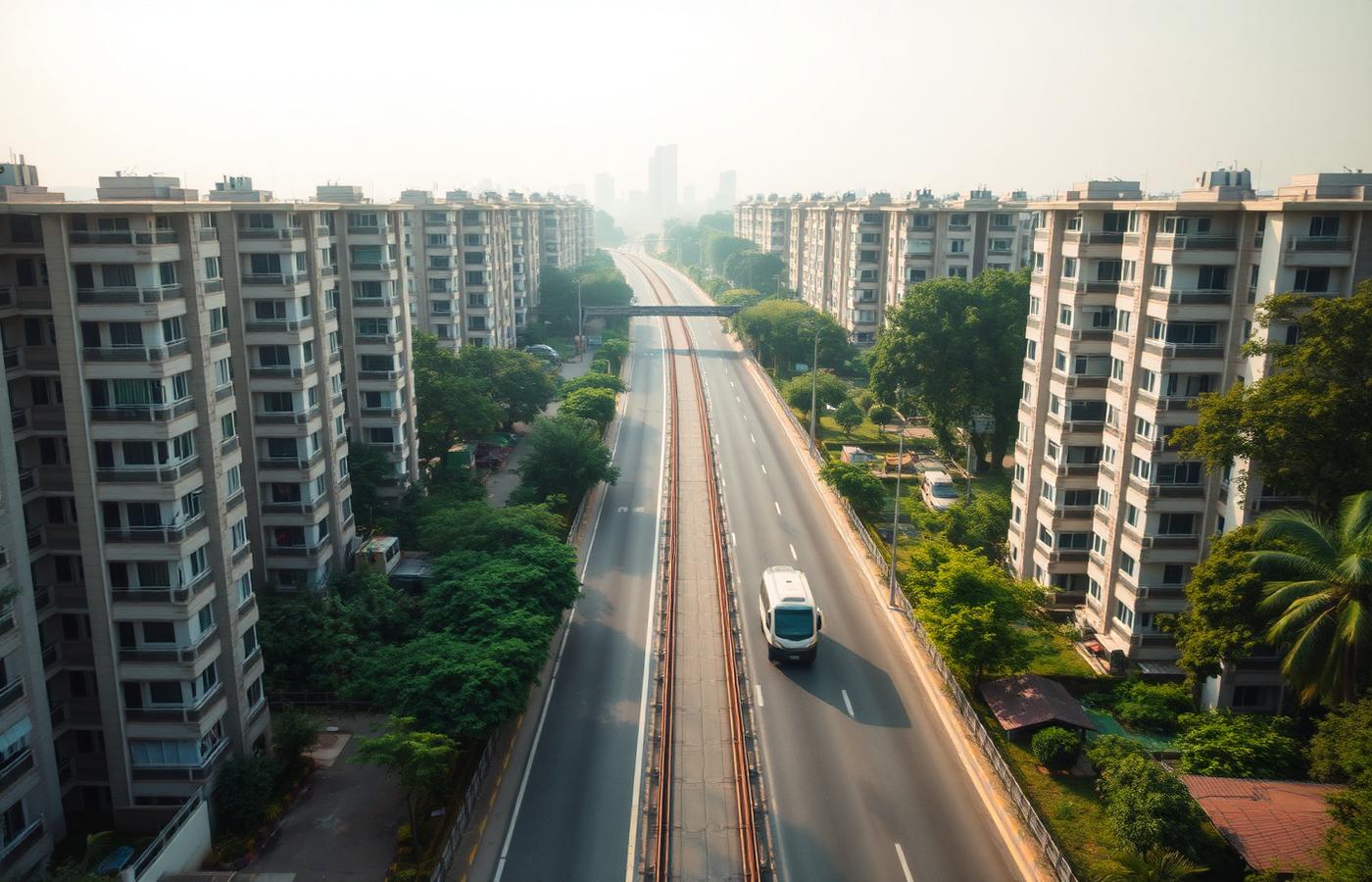
Most brochures describe location in minutes: 10 minutes from here, 15 minutes from there. Those numbers are usually measured on an empty road. Your experience will be on a normal weekday.
A useful way to judge location is to imagine an ordinary Tuesday. How do you get to work? Where does your child study? What happens if someone at home needs a hospital at night? Where do you buy vegetables, and how far is the nearest chemist?
Also look at what is being built around the property. Existing infrastructure is something you can see and verify today. Planned infrastructure is a possibility, not a promise — treat announced roads, metro lines and business parks as things to confirm through official sources, not as guarantees.
Worth looking at carefully
- Road connectivity and the actual traffic at peak hours
- Public transport within walking distance
- Schools and colleges you would realistically use
- Hospitals and emergency access
- Employment hubs and how you would commute to them
- Shopping, markets and daily conveniences
- Existing infrastructure you can see today
- Planned infrastructure, verified through official sources
- How the surrounding neighbourhood is developing
Your Location Scorecard
Score a location you are considering, from 1 (poor) to 5 (excellent), based on what you observe yourself. These are your own impressions, not published ratings.
Think about this
- Have you visited the location at different times of day?
- How does the approach road look during rain?
- Would this location still suit you if the planned projects nearby are delayed?
3. Look Beyond the Brochure
A brochure shows intention. A track record shows behaviour.
Brochures are designed to look good. That is their job. Your job as a buyer is to look at what already exists rather than only at what is being promised.
The most practical thing you can do is study the developer's completed projects. Visit one or two if you can. Walk around. Look at how the buildings have aged, how the common areas are maintained, and how the residents talk about their experience.
None of this requires special expertise. It requires patience and a willingness to ask plain questions before you make a commitment.
Areas worth researching
- Track record and years of operating experience
- Previous projects and where they are located
- Delivery history and possession timelines on earlier projects
- Construction quality you can observe in completed buildings
- Reputation among existing buyers and residents
- Availability and clarity of project documentation
- How the sales and post-sales team handles questions
5 Questions to Ask Before Trusting a Project
- 1What projects has the developer completed?
- 2What is their delivery track record?
- 3Can I independently verify the project information?
- 4What do existing buyers say about completed projects?
- 5Can I review the relevant documentation?
Asking questions is normal and expected. A team that is comfortable answering them is telling you something useful.
4. Don't Look Only at the Quoted Price
Price is only one part of the decision.
The number on the first page of a brochure is rarely the number you finally pay. Depending on the property and the transaction, several other components may apply.
This is not a reason to worry. It is a reason to ask early. When you know the complete picture at the beginning, you can plan calmly instead of adjusting your budget at the last moment.
The categories below are examples of what may need consideration. What actually applies will depend on your city, the property type and the specific transaction, so ask for it in writing.
Always ask for a complete cost sheet before making a financial commitment.
Total Cost Checklist
These are examples of categories that may apply. What actually applies depends on your city, the property type and the specific transaction.
Think about this
- Have you seen a written cost sheet, or only heard figures verbally?
- Which costs are one-time and which will recur every month or year?
- What is the total amount you would need before moving in?
5. Verify Before You Trust
Verify. Don't assume.
This is the part most buyers find intimidating, so many skip it and rely on trust. That is understandable, but it is also where most avoidable stress comes from.
You do not need to become an expert. You need to do two simple things: ask for the relevant documents, and get them reviewed through appropriate official or professional channels.
A property professional or an advocate can guide you on what applies in your city and to your specific transaction. Your role is to make sure the documents exist, that you have seen them, and that what you were told matches what is written.
Never rely solely on verbal assurances. Ask for documents and verify them through appropriate official or professional channels.
Documents & Verification
Requirements vary by state and project type. Use this as a starting list for a conversation with a qualified professional.
This guide does not provide legal advice. Requirements differ by state, city and project type, so please consult a qualified professional.
Halfway through
Want these checks done on a shortlist near you? Request a site visit.
6. Look Beyond the Sample Flat
A sample flat is a presentation. The actual unit is the product.
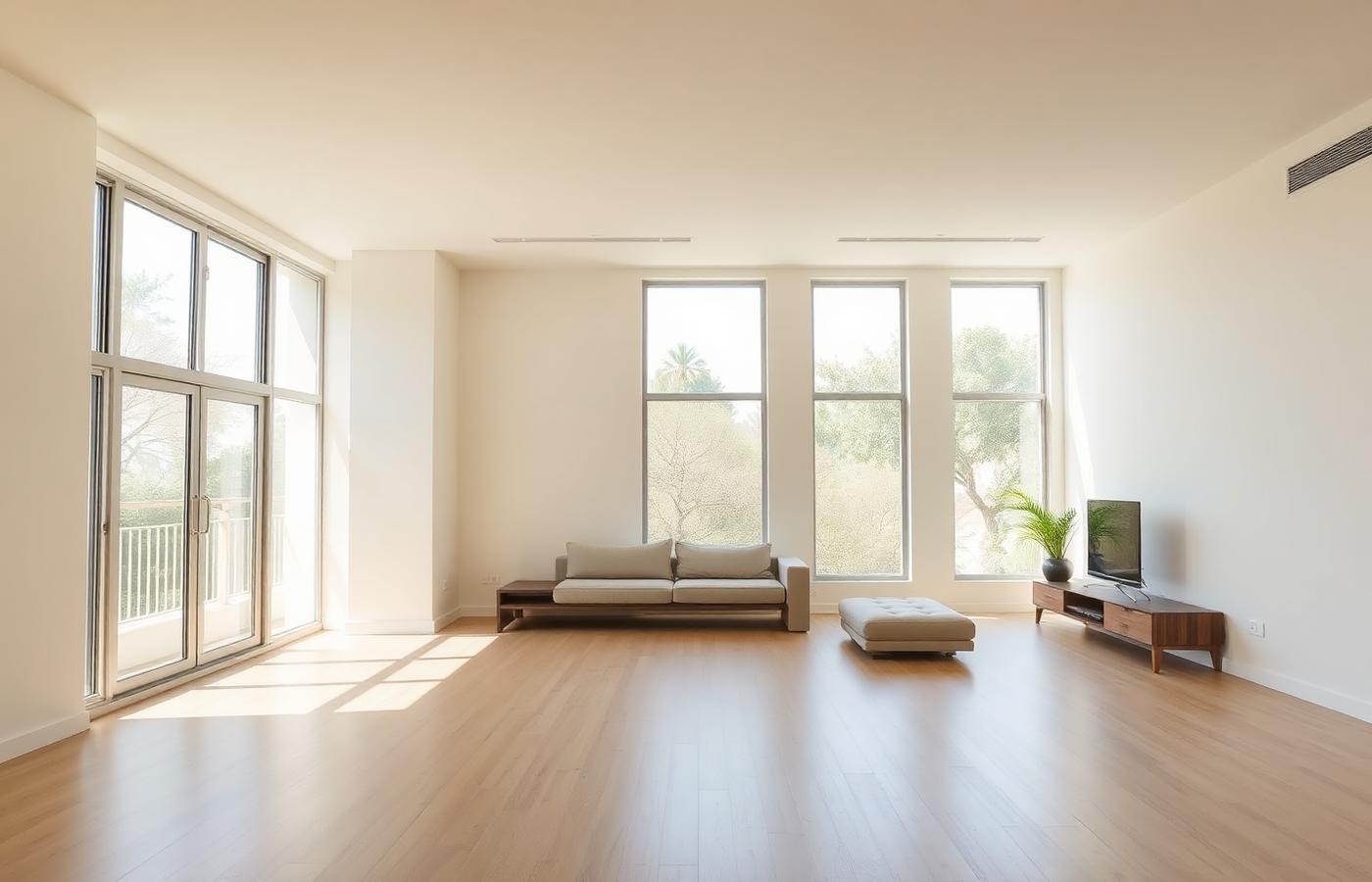
Sample flats are usually furnished carefully, lit well, and sometimes built without full walls or with slimmer furniture to make rooms feel larger. That is standard practice, not deception — but it means you should also look at the actual floor plan and, wherever possible, the actual unit.
Pay attention to the things that are hard to change later: the direction the home faces, how much natural light reaches the living area, how air moves through the house, the usable area you actually get, and where the common walls and shafts are.
Amenities look attractive on a site plan. Ask which of them are already built, which are planned, and who will maintain them once you move in.
Would this property still make sense if the brochure disappeared?
Property Evaluation Checklist
Think about this
- Have you seen the actual floor plan, not just the sample flat?
- Is the usable space clearly documented?
- Do the specifications you were shown appear in the written agreement?
7. Think Beyond the Day You Buy
Someday, someone else may need to want this property too.
Even if you are buying a home to live in for many years, it is sensible to think about how easily the property could be rented or sold later. Life changes — jobs move, families grow, plans shift.
Nobody can tell you what a property will be worth in the future, and you should be careful with anyone who claims they can. What you can do is research the factors that generally influence demand in an area.
Look at these as research questions, not predictions. The goal is to understand the property's situation, not to forecast a number.
Worth researching
- Demand for property in this location today
- Who the likely tenants would be, and where they work
- Employment hubs within a reasonable commute
- Connectivity and how it is changing
- Demand for this property type and size
- How the neighbourhood is developing
- Competing supply — how many similar units are coming up nearby
- Historical local market trends you can verify independently
Future Demand Checklist
Researching these factors helps you understand the property's situation today. It is not a forecast.
This guide does not promise future appreciation or rental returns. Market outcomes depend on many factors outside anyone's control.
8. Make Sure the Property Fits Your Financial Plan
Being able to get a loan does not automatically mean the property is affordable.
A loan approval tells you what a lender is willing to give you. It does not tell you what is comfortable for your household over the next fifteen or twenty years.
A property feels affordable when the monthly outflow still leaves room for everything else in your life: education, healthcare, travel, family responsibilities, and savings. It stops feeling affordable when a single unexpected expense throws the month off balance.
The reflection below is a private thinking tool. Nothing you type is scored, judged or sent anywhere — it is only there to help you see the numbers in one place.
Worth thinking through
- Down payment and how you will arrange it
- Monthly EMI and how it fits your current expenses
- Existing loans and financial commitments
- How a change in interest rates could affect the EMI
- Emergency reserves you want to keep untouched
- Ongoing ownership costs such as maintenance and utilities
- Other long-term goals you are saving for
Affordability Reflection
A private space to write your own numbers down. Nothing is calculated, scored or sent anywhere.
Speak with a qualified financial professional for advice specific to your situation. This guide does not recommend a loan amount or a purchase decision.
9. Never Compare Properties on Price Alone
Compare the property, not just the brochure.
When you see properties one after another over several weekends, they blur together. The one you saw most recently usually feels like the best one, simply because you remember it clearly.
Writing things down solves this. A simple side-by-side comparison forces you to judge each property on the same points instead of on how enthusiastic the last conversation was.
Use the table below while you are shortlisting. Your notes stay on this device.
Your goal isn't to find the property with the most features. It's to find the property that best fits your priorities.
Your Comparison Sheet
Fill this in as you shortlist. Your notes are saved on this device only.
| Criteria | Property A | Property B | Property C |
|---|---|---|---|
| Location | |||
| Connectivity | |||
| Developer | |||
| Property Type | |||
| Usable Space | |||
| Amenities | |||
| Total Cost | |||
| Payment Structure | |||
| Possession Information | |||
| Resale / Rental Considerations | |||
| Personal Fit |
10. See It. Experience It. Then Decide.
See it before you decide.
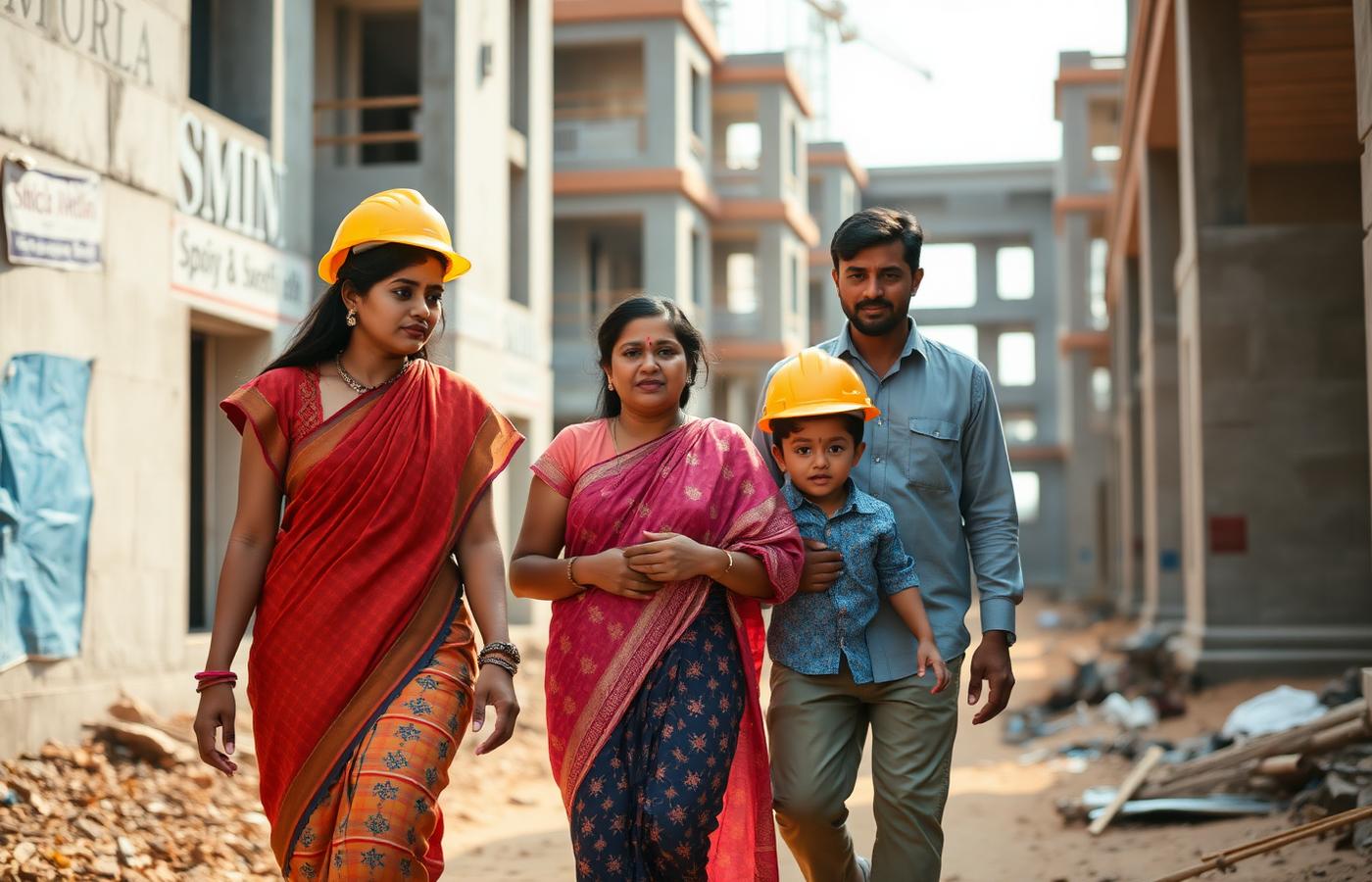
Photographs are taken with the right lens at the right hour. Videos are edited. Floor plans are drawn to be readable. None of them can tell you how the approach road feels, how noisy the surroundings are, or what you can actually see from the balcony.
A site visit is the one step that turns everything you have read into something you can judge for yourself. It is also the easiest step to postpone, which is why so many buyers make decisions without it.
Treat the visit as your own inspection rather than a tour. Go with your questions written down, and give yourself time to look around the neighbourhood afterwards.
What a visit helps you evaluate
- The actual location and how it feels on the ground
- The surrounding environment and neighbours
- Approach roads and how you would arrive every day
- Construction progress and quality you can see
- The layout and how the space actually works
- Amenities that exist today versus those still planned
- The neighbourhood and its daily rhythm
Take your time on site. It is far easier than changing your mind later.
Before visiting
During the visit
After the visit
The summary page
The 10-Point Buyer Decision Checklist
Before You Commit, Can You Confidently Answer All 10?
Your Buyer Checklist Progress: 0/10
This is simply a record of the checkpoints you have worked through. It is not an investment score or a recommendation.
- 01Buying Goal
- 02Location
- 03Developer
- 04Total Cost
- 05Legal / Regulatory Verification
- 06Property Evaluation
- 07Future Demand
- 08Financing
- 09Comparison
- 10Site Visit
The natural next step
Ready to See the Property for Yourself?
If you're considering a property, a site visit can help you evaluate the location, project and surroundings firsthand before making a decision.
Site visit contact form
[BRAND NAME]
[AGENT NAME] · [LOCATION]
Tap any field below to open the live form on your phone, fill it in and submit — your details reach [AGENT NAME] instantly.
Site visit request
Let's Help You Take the Next Step
Know someone planning to buy property?
Share this free guide with them. It may help them ask better questions before they decide.